Mostrando entradas con la etiqueta vivir solos. Mostrar todas las entradas

domingo, 16 de agosto de 2020

Adaptación Baño Tercera edad

 Adaptación Baño Tercera edad


Una vez que nuestros familiares alcanzan una edad cronológica avanzada hay casos en los que se requerirá realizar algunas modificaciones en el lugar en el que viven, una de las más importantes se relaciona con el baño dada su utilización para necesidades básicas en cualquier ser humano.


Acá algunas recomendaciones generales, las cuales deben ser consideradas en función de la disposición física y condiciones de cada hogar.


1. Espacio y entrada al baño

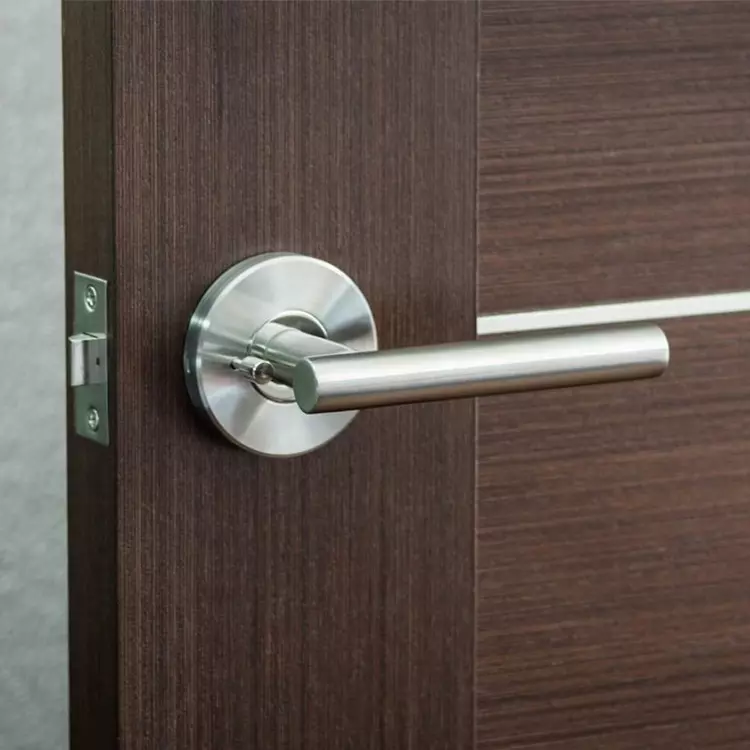
El espacio disponible para entrar al baño debe ser cómodo, libre de obstáculos y amplio. También hay que fijarse que la iluminación sea la más adecuada. Resulta ideal que la puerta del baño se abra hacia fuera para hacer más expedito el ingreso en caso de caída o accidente. Se recomienda incorporar palancas en las puertas


2. Suelo antideslizante

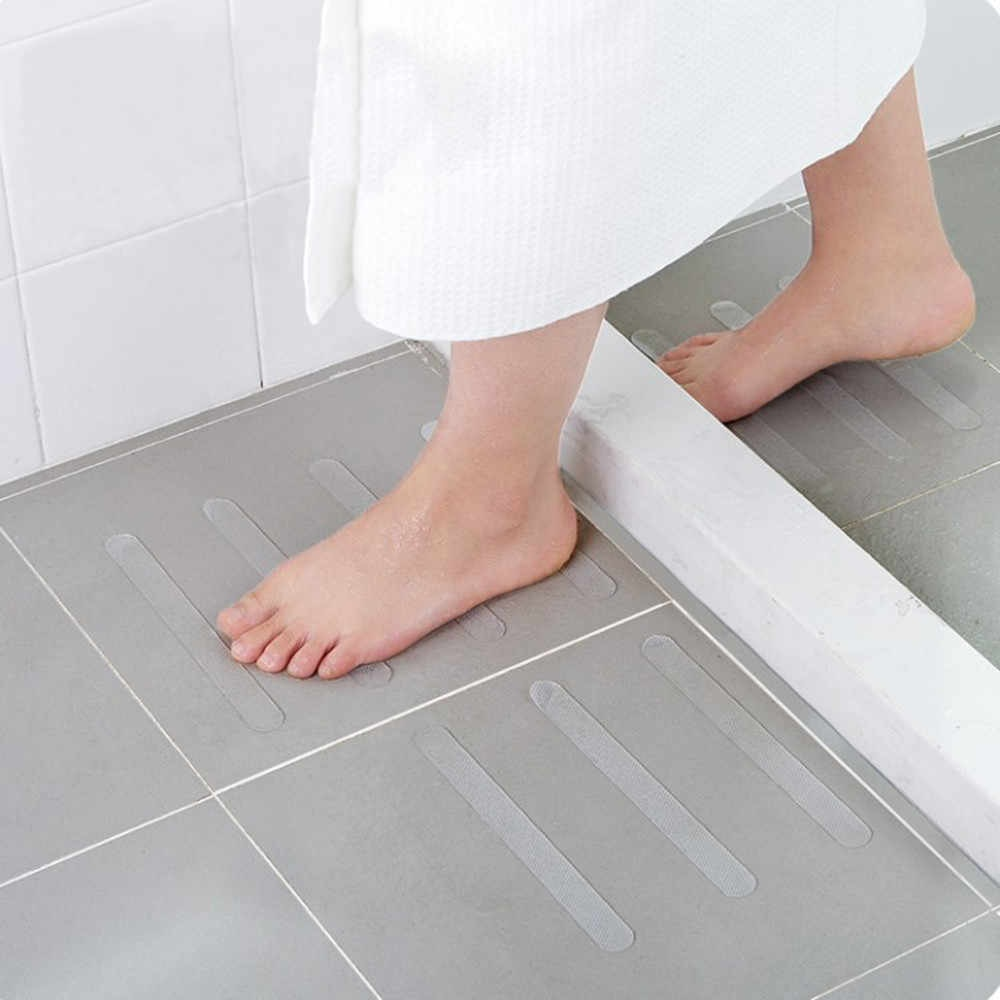
Este tipo de material aumenta la seguridad y autonomía en el baño, disminuyendo el riesgo de caídas. Dependiendo de la condición del adulto mayor es relevante considerar que el material antideslizante no solo esté al interior de la tina o ducha, sino también en el piso del baño.


3. Mobiliario adecuado

Es relevante revisar que los muebles al interior del baño permitan un desplazamiento lo más cómodo posible. Es importante considerar elevar muebles que puedan generar caídas o accidentes, colocándolos idealmente a una altura que sea funcional para el adulto mayor.


4. Lavabo

En este caso además de la altura es muy relevante que cuente con un juego de grifos de palanca, lo cual lo hace mucho más eficiente y fácil de operar. Considerar el uso de barras de apoyo


5. WC


Aca es relevante considerar la opción o de ajustar el WC a la altura óptima del adulto mayor o incorporar barras de apoyo que hagan más fácil su uso, confort y seguridad.


6. Ducha 

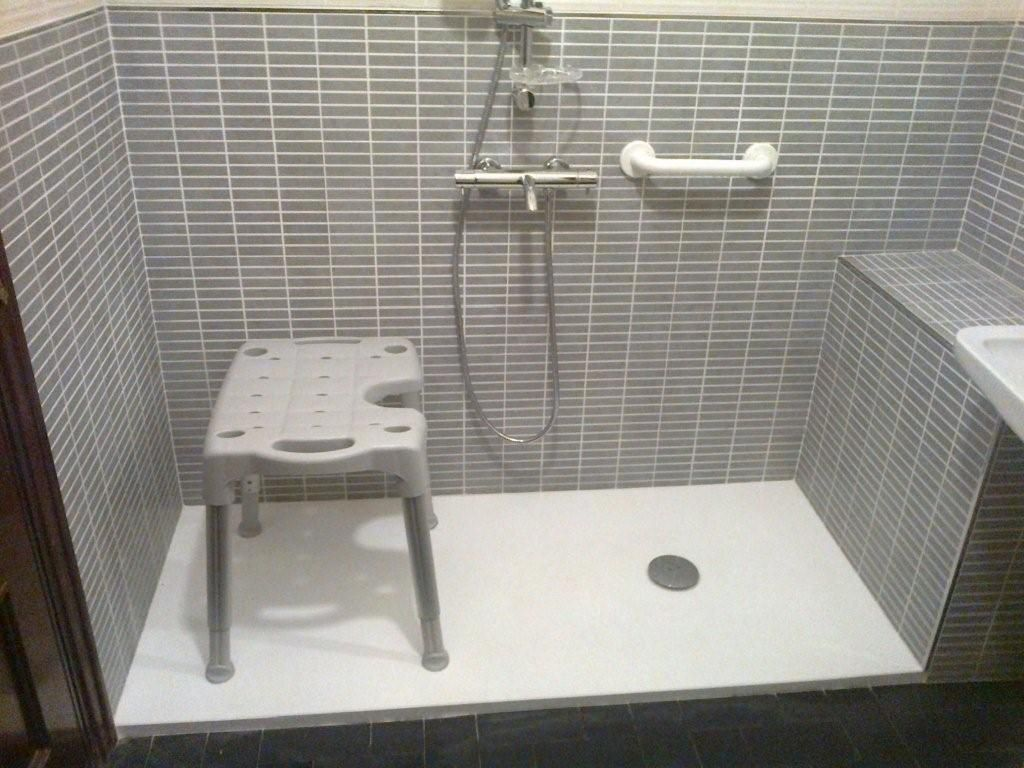
En el caso de la ducha o tina las recomendaciones dependen del espacio y mobiliario, pero en términos generales se recomienda adecuarlo de forma de facilitar la movilidad, uso y seguridad. En el caso de contar con tina es relevante el piso antideslizante y las barras de apoyo. Adicionalmente incorporar banquetas o sillas de apoyo Para la ducha que la puerta cierre con facilidad, que no exista mucha diferencia de altura entre el piso del paño y el piso de la ducha (a ras de suelo).


viernes, 10 de febrero de 2017

Vivir con amigos


La opción de vivir con amigos gana cada vez más adeptos.

Han pasado muchos años, más de tres décadas desde que tres mujeres que habían superado la sesentena y otra que se había adentrado en los 80, mostraban en la pequeña pantalla su vida en común. Las cuatro compartían piso tras divorciarse o quedarse viudas. Hablamos de la comedia Las chicas de oro, una serie que rompió moldes, siempre entre risas, por mostrar los avatares de la vida de cuatro mujeres mayores.

Treinta y un años después de la emisión de su primera temporada (le seguirían otras seis más), Las chicas de oro regresan como modelo de convivencia en la edad madura. Expertos aseguran que cada vez más, los mayores escogen para vivir la compañía de otros mayores, bien en pisos compartidos o bien en sus propios domicilios, en los barrios donde tienen los amigos de su misma edad de toda la vida.
Así lo indica, entre otros, Mayte Sancho, directora científica de Matia Instituto Gerontológico, quien cree que esta tendencia va a ir a más a medida que aumenta este grupo poblacional. ¿Por qué? Esta gerontóloga cree que las generaciones más jóvenes tienen más claro que el cuidado de la salud y la atención a sus necesidades son responsabilidades de cada uno, ni de la mujer o el marido, ni de los hijos, sino “de cada uno”. Y desde esa perspectiva, buscan otras soluciones no tradicionales para afrontar esa etapa de la vida en la que los amigos y los vecinos tienen una presencia muy importante.
Mayte Sancho ha dirigido una encuesta sobre cuidados, realizada entre 4.600 personas, entre ellas, un millar de profesionales, promovida por la Obra Social La Caixa, que revela que al 42,3% de las personas les gustaría seguir viviendo en su propio hogar, incluso cuando necesiten ayuda, mientras que tres de cada diez abren la posibilidad a trasladarse a una residencia de personas mayores. Un 3%, por su parte, responde que le gustaría vivir en un piso compartido con amigos, donde cuidar y ser cuidados. Sólo un 4,5% ve en el hogar de su hijo el lugar donde acudir cuando la salud y la fuerza se vayan deteriorando.
“La tendencia a vivir solos, aunque acompañados por amigos y vecinos, como la de compartir pisos irá ganando cada día más adeptos, entre otras cuestiones, porque la mentalidad de los mayores es distinta a la que había antes (y que aún perdura en los que tienen más años), señala Mayte Sancho. Los nuevos mayores creen en el autocuidado y en su responsabilidad en el tema de la salud, a la vez que tienen mucho más interiorizados conceptos como ser independiente y la asunción de sus propias decisiones. “No renuncian a la familia, por supuesto, su principal apoyo emocional. Pero no quieren depender de sus hijos”, aclara. “Es una decisión personal, que nada tiene que ver con el desapego. Ni mucho menos. Yo me atrevería a decir que ahora los lazos familiares son incluso más sanos, en el sentido de que se salvaguarda la independencia de todos y eso ayuda a la convivencia”, señala Anna Freixas, catedrática de Psicología ahora jubilada y autora del libro Tan frescas. Las nuevas mujeres mayores del siglo XXI (Paidós).


Es el caso de Blanca M., 70 años. Separada, con dos hijos y varios nietos, vive en un piso de alquiler en solitario. Se encuentra en “perfecto estado de salud”, lleva una vida independiente y siempre está dispuesta a echar una mano a sus hijos con los nietos. “Hay que decir que ellos no abusan en absoluto. Tienen claro que son los responsables de los niños y sólo acuden a mí en momentos determinados”, aclara. Blanca es la mayor de un grupo de tres amigas “de toda la vida” que están a punto de jubilarse y que se trasladarán a su piso, ubicado en el centro de Madrid, a medida que esa situación vaya llegando. “Lo acordamos así hace ya algunos años, cuando fuimos apagando cada vez más velas y en nuestras conversaciones se empezaron a incluir temas de este tipo. ¿Por qué hemos retrasado el vivir juntas hasta la jubilación? Porque la etapa del trabajo es un periodo distinto, en el que cada una lleva una vida distinta, con horarios diferentes. Y creímos que lo mejor era compartir el piso cuando se acabara el salario y llegara la pensión que es más modesta y los tiempos y el ocio son distintos. Y compartiríamos gastos”. Blanca M., abogada, cree que es la mejor opción “para todos”. “No queremos ser una carga para nadie y menos para nuestros hijos. De hecho, les duele el pensamiento de ser una carga. “Y, sobre todo, queremos ser independientes, que nadie se meta en nuestras decisiones, y eso sólo se puede hacer si vives fuera del entorno familiar y man­tienes un buen estado de salud”. A este respecto también tiene claro que en el caso de que necesiten ayuda, “será más fácil compartir los gastos de un profesional entre las cuatro”.
Teresa Hernández, de 73 años, profesora jubilada, decidió hace tiempo que no vendía su piso y se compraba uno cerca de sus hijos, como estos le aconsejaban. “Me gusta mi vida, la que he organizado en mi barrio estos últimos 40 años y no creo que tenga sentido desmontarla por cumplir años”, señala. Prefiere su comunidad, con los amigos de toda la vida con los que sale, viaja y va de compras y que se ayudan cuando es necesario. “Lo importante es mantener las relaciones sociales. Esa es la verdadera clave para afrontar esta etapa de la vida”, insiste. Sólo en el caso de que la salud le fallara y necesitara de una atención diaria se plantearía otras opciones. “Pero espero que no ocurra, la verdad, y que la ley de Dependencia funcione de verdad”, indica.

Fuente : La Vanguardia

The option to live with friends wins more and more fans

Many years have passed, more than three decades since three women who had passed the sixties and another one that had entered in the 80, showed in the small screen their life in common. The four shared the floor after divorcing or staying widows. We talk about the comedy The Golden Girls, a series that broke molds, always between laughs, to show the avatars of the lives of four older women.
Thirty-one years after the issuance of her first season (followed by six more), The Golden Girls return as a model of coexistence in middle age. Experts say that more and more, the elderly choose to live the company of other seniors, either in shared flats or in their own homes, in neighborhoods where they have friends of the same age of life.

This is indicated by, among others, Mayte Sancho, scientific director of Matia Gerontological Institute, who believes that this tendency will go more as this population group increases. Why? This gerontologist believes that the younger generations are clearer than health care and attention to their needs are the responsibilities of each, not the wife or husband, or children, but "each one." From that perspective, they look for other non-traditional solutions to face that stage of life in which friends and neighbors have a very important presence.Mayte Sancho has conducted a survey of 4,600 people, including a thousand professionals, promoted by the Obra Social La Caixa, which reveals that 42.3% of people would like to continue living in their own home, Even when they need help, while three out of ten open the possibility to move to a nursing home. A 3%, on the other hand, responds that he would like to live in a shared apartment with friends, where to take care and be cared for. Only 4.5% see their child's home where they go when health and strength deteriorate.

"The tendency to live alone, although accompanied by friends and neighbors, as the sharing of flats will gain more and more supporters, among other things, because the mentality of the elderly is different from what was before (and still lingers in the Which have more years), says Mayte Sancho. The new elders believe in self-care and responsibility in health, while they have much more internalized concepts such as being independent and the assumption of their own decisions. "They do not give up the family, of course, their main emotional support. But they do not want to depend on their children, "he says. "It is a personal decision, which has nothing to do with detachment. Not much less. I would dare to say that family ties are even healthier now, in the sense that it safeguards the independence of all and that helps to coexist, "says Anna Freixas, a professor of psychology now retired and author of the book Tan fresco. The new elderly women of the 21st century (Paidós).

Resultado de imagen para ancianas en casa

This is the case of Blanca M., 70 years old. Separated, with two children and several grandchildren, she lives in a flat for rent alone. She is in "perfect health", leads an independent life and is always willing to lend a hand to her children with the grandchildren. "It must be said that they do not abuse at all. They are clear that they are responsible for the children and only come to me at certain times, "he clarifies. Blanca is the eldest of a group of three "lifelong" friends who are about to retire and will move to their flat, located in the center of Madrid, as that situation comes. "We agreed that way a few years ago, when we were putting out more and more candles and in our conversations began to include subjects of this type. Why have we delayed living together until retirement? Because the stage of work is a different period, in which each one leads a different life, with different schedules. And we thought it best to share the floor when the salary was over and the pension that is more modest arrived and the times and leisure are different. And we would share expenses. " Blanca M., a lawyer, believes that it is the best option "for everyone". "We do not want to be a burden to anyone and less to our children. In fact, they hurt the thought of being a burden. "And, above all, we want to be independent, that no one gets involved in our decisions, and that can only be done if you live outside the family environment and maintain a good state of health." In this regard it is also clear that in case they need help, "it will be easier to share the expenses of a professional between the four".
Teresa Hernandez, 73, a retired teacher, decided long ago that she did not sell her apartment and bought one near her children, as they advised her. "I like my life, which I have organized in my neighborhood for the last 40 years and I do not think it makes sense to dismantle it for years," he says. He prefers his community, with lifelong friends with whom he goes out, travels and goes shopping and helps each other when necessary. "The important thing is to maintain social relationships. That is the real key to face this stage of life, "he insists. Only in the event that health fails and needs daily attention would other options arise. "But I hope it does not happen, the truth, and that the law of Dependency really works," he says.

Source: La Vanguardia
martes, 29 de noviembre de 2016

¿Cómo mitigar esa sensación de soledad en nuestros mayores?

Resultado de imagen para ancianos en residencias


Con el paso de los años, las personas mayores han atravesado diferentes avatares de la vida: pérdida de seres queridos (entre ellos muy probablemente la del cónyuge que ha sido el gran apoyo de su vida), los hijos ya son mayores y cada uno hace su vida y para más inri, los problemas de salud aparecen. Diferentes situaciones que acentúan y contribuyen a mantener el sentimiento de soledad que sienten muchos de nuestros mayores y que en esas fechas navideñas, caracterizadas por ser tiempo de tradición, costumbres y familia, no les deja ni un minuto.

Como antes decíamos, nuestros mayores ya están con achaques, problemas de salud que les convierten en personas dependientes y que inevitablemente en muchos casos, obligan a llevarles a residencias para poder recibir cuidados profesionales intensos y continuos. Pero antes de continuar es importante que hagamos esta distinción; una persona que está en una residencia para la tercera edad, NO ES un mayor ABANDONADO. Se escuchan muchos comentarios del tipo: “¡pobre hombre, a una residencia le han llevado para no hacerse cargo de él. Abandonado le han dejado!”. Para muchos hijos, sobrinos, etc., resulta tremendamente doloroso el no tener los medios adecuados en sus casas para que sus mayores reciban los cuidados pertinentes para su enfermedad, o por cuestiones laborales no disponen de todo el tiempo que su mayor requiere para los achaques que tiene.

 Pero por otro lado, el hecho de que nuestros mayores convivan con otros iguales en la residencia, no es excusa, también se suele oír: “mi padre está en una residencia y no está solo, está estupendamente acompañado, no hace falta que vaya cada dos por tres”. El no llamarles, no atenderles, no visitarles, no preocuparse, eso SI ES ABANDONO.
Es importante que disfruten de una buena red familiar y/ o social, relacionándonos con ellos de acuerdo al nivel de energía y vitalidad que tengan.

Nada es perfecto en ninguna familia, y a unas por cuestiones económicas, por discusiones familiares, etc. no les gusta la Navidad. Pero en concreto a los mayores, es importante que les recordemos que hay muchas maneras de celebrar la Navidad y no todo son regalos y comilonas, de este modo contribuiremos a disminuir esa sensación de nostalgia y tristeza y les acercaremos algo más la tradición. 

Resultado de imagen para abuelos con familia en navidad

Por ejemplo, para aquellos que aun puedan dar un paseíto (o en la silla de ruedas), les podemos llevar a mercadillos navideños, a visitar los diferentes Belenes de las parroquias, animarles a llamar a ese familiar con el que hace tiempo que no hablan, o escuchar villancicos todos juntos, entre risas y panderetas. En esta línea y para los que vivan solos o en residencias, podemos ayudarles a decorar su habitación o su casa, dejarles preparada alguna comida especial acorde con su dieta y los posibles problemas de salud que pueda tener. Pequeñas acciones y muestras de afecto que hacen que se ilusionen y sobre todo se vean atendidos.

Además, la idea de ver a sus nietos quienes los tienen, les entusiasma. El beso de un nieto, el contarle recuerdos del pasado y las historias que vivió, les gusta, pues son personas con mucha vida y de quienes se puede aprender, fomentando por tanto la estima y valía de los más mayores.

Resultado de imagen para ancianos y nietos

Aunque por suerte muchas personas tengan naturalizada la muerte, también es conveniente que no se les recuerde cada por tres que son mayores, que la muerte está cerca y que igual al año que viene ya no estarán con nosotros. Esto lo único que puede generarles es más tristeza y que puedan pensar que ya no vale la pena hacer otras cosas diferentes (acordes a su estado físico por supuesto).
Como podéis ver, todos los ejemplos que os hemos ofrecido, aparte de ayudarles a no sentirse solos, contribuyen a que los más mayores:

Resultado de imagen para ancianos en navidad

·        No pierdan referencias temporales: el hablar con alguien, el saber que es Navidad, el salir a comer fuera cada sábado, etc. les reorienta en el tiempo y les ayuda a situarse.
·        No se descuiden: saber que van sus nietos e hijos a visitarles, o que han quedado con un amigo del pasado, les ayuda a cuidar su higiene y a no llevar una dieta monótona y fácil (para muchos mayores es muy recurrente cenar leche con galletas, pero esa cena casi a diario no es saludable).
Para finalizar y a modo de resumen, sabemos que muchos de nuestros mayores, ya no aguantan las cenas de Nochebuena, Fin de Año, etc. reuniones y comilonas que son de larga duración y muy intensas. Nuestros mayores necesitan su rutina y no salirse de ella, y de eso son conscientes ellos mismos. Pero simplemente con que recordemos a esa persona que la queremos, con pequeños actos y palabras, y lo sienta, generaremos en ella ilusión y la ayudaremos a vivir su día a día con algo más de alegría.
¡FELICES FIESTAS!
PSICOLOGIA CLAVE: Elena Sánchez-Porro Frías e Irene Albert Cebriá


 How to mitigate that feeling of solitude in our majors?

Resultado de imagen para ancianos en residencias

Over the years, older people have gone through different life events: loss of loved ones (among them most likely the spouse who has been the great support of their life), the children are already older and each one does His life and for more inri, health problems appear. Different situations that accentuate and contribute to maintain the feeling of loneliness felt by many of our elders and that in those Christmas dates, characterized by being a time of tradition, customs and family, does not leave them a minute.
As we said before, our elders are already suffering with ailments, health problems that make them dependent people and that inevitably in many cases, force them to take them to residences to receive intense and continuous professional care. But before continuing it is important that we make this distinction; A person who is in a residence for the elderly, IS NOT a major ABANDONED. There are many comments of the type: "poor man, a residence has taken you not to take care of him. Abandoned you have been left! ". For many children, nephews, etc., it is extremely painful not to have adequate means in their homes so that their elders receive appropriate care for their illness, or for labor issues do not have all the time that their greatest requires for ailments what's wrong with it. But on the other hand, the fact that our elders live with other people in the residence is not an excuse, it is also often heard: "my father is in a residence and he is not alone, he is very well accompanied, he does not have to go every two times three". Not to call them, not to attend to them, not to visit them, not to worry, that IS ABANDONED.

Resultado de imagen para visitando al abuelo


It is important that they enjoy a good family and / or social network, relating to them according to the level of energy and vitality they have.Nothing is perfect in any family, and some because of economic issues, family discussions, etc. They do not like Christmas. But in particular the older ones, it is important to remind them that there are many ways to celebrate Christmas and not everything is gifts and snacks, this way we will contribute to diminish that feeling of nostalgia and sadness and bring them a little more tradition. For example, for those who can still take a walk (or in a wheelchair), we can take them to Christmas markets, visit the different Nativity scenes in the parishes, encourage them to call that relative with whom they have not spoken for some time , Or hear villancicos all together, between laughter and tambourines. In this line and for those who live alone or in residences, we can help you decorate your room or your house, let them prepare some special food according to your diet and any health problems you may have. Small actions and signs of affection that make them excited and above all seen.

Resultado de imagen para visitando al abuelo


In addition, the idea of seeing their grandchildren who have them, excites them. The kiss of a grandson, to tell him memories of the past and the stories he lived, they like, because they are people with a lot of life and from whom it is possible to learn, thus promoting the esteem and value of the older ones.

Resultado de imagen para ancianos y nietos

Although fortunately many people have naturalized death, it is also advisable not to be reminded every three years that they are older, that death is close and that same as next year will no longer be with us. The only thing that can generate them is more sadness and they may think that it is no longer worth doing different things (according to their physical condition of course).
As you can see, all the examples we have offered, besides helping them not to feel alone, contribute to the older ones:

• Do not lose temporary references: talking to someone, knowing that it is Christmas, going out to eat every Saturday, etc. Reorients them over time and helps them to position themselves.
• Do not neglect: knowing that your grandchildren and children are going to visit them, or have stayed with a friend of the past, helps them to take care of their hygiene and not to carry a monotonous and easy diet (for many, , But that dinner almost every day is not healthy).
To finish and by way of summary, we know that many of our elders, can not stand the Christmas Eve dinners, New Year's Eve, etc.
Meetings and dinners which are long lasting and very intense. Our elders need their routine and not get out of it, and they are aware of that themselves. But simply by reminding that person that we love her, with small acts and words, and feel it, we will generate in her an illusion and we will help her to live her day to day with something more of joy.
HAPPY HOLIDAYS!


PSICOLOGIA CLAVE: Elena Sánchez-Porro Frías e Irene Albert Cebriá